
Every Overhaul Begins Before the Watch Is Opened
The most important part of a watch service happens before anyone picks up a screwdriver. It happens in a conversation.
When a collector brings in a piece they value, whether it is a daily-wear sports watch, an inherited dress watch, or a complicated chronograph acquired after years of searching, the watchmaker's first job is not to disassemble it. It is to listen, examine, and explain. Only then should a decision about work be made, and it should be made by the owner, with full information.
This is the argument of this article: disclosure before disassembly is arguably the foundation of long-term confidence between a collector and a watchmaker. A quote can be accurate and a repair can be well executed, but if the owner did not understand what was being done and why, something essential is missing.
Trust, Earned Over Years. This article, we are looking at the relationship before the repair: the idea that an overhaul is the visible end of a process that begins with honesty. Trust is rarely created by one transaction. It builds through assessments that are candid, even when candour means advising less work rather than more.
Here is what we will cover: why collectors hesitate before handing over a watch, what a good pre-service consultation asks, what a transparent diagnosis examines and discloses, why this all comes before disassembly, and how honest assessments grow into long relationships. We close with questions you can put to any watchmaker, including us, before authorizing work on a serious piece.
Why Collectors Hesitate Before Handing Over a Watch
Anyone who owns a significant watch knows the feeling of leaving it at a counter. The hesitation is reasonable, and it usually comes from three concerns.
Unclear scope. What exactly does "service" include? The word covers everything from a quick check and rate adjustment to a full strip-down of the movement. Without a defined scope, two quotes for the same watch may describe quite different work.
Unexpected additions. Many owners have experienced a quote that grows after the watch has been opened: a part found worn, an extra item added, a revised total. Sometimes these additions are genuine. But if the owner was never told they were possible, they feel like surprises, and surprises erode confidence.
Uncertainty about parts and originality. Collectors care whether dials, hands, crowns and movement components remain original. Replaced parts can affect both the character and the value of a piece, yet owners are often unsure what was replaced, with what, and why.
Underneath all three sits an information gap. The watchmaker sees the inside of the watch and the owner does not. The watchmaker knows what normal wear looks like; the owner must take their word for it. That imbalance makes trust difficult, however good the intentions on either side.
Transparency is the practical answer. If the watchmaker explains what they see, what it means, and what is and is not yet known, the gap narrows. The owner is no longer asking for faith; they are being given understanding. This is not a criticism of any particular service provider. It is simply a standard we believe every serious collector is entitled to expect.
The Pre-Service Consultation: What We Ask and Listen For
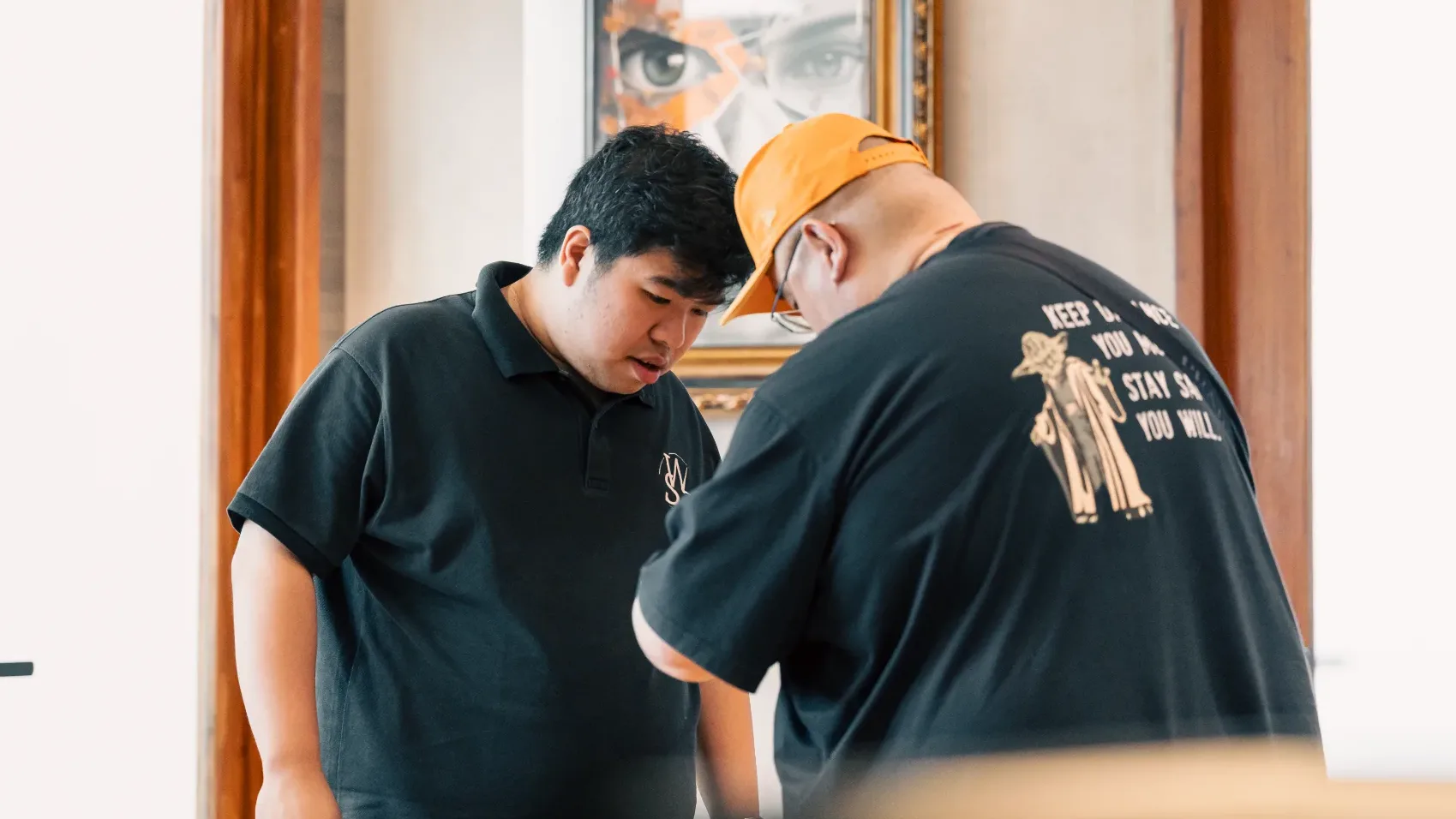
A watch cannot tell you how it has been lived with. Its owner can. That is why our assessment begins with questions, not tools.
We typically ask about:
- How the watch is worn. Daily, occasionally, or kept in a winder? Worn during sport, travel or swimming? A watch worn every day by someone who is active has a different wear pattern from one that rests in a safe for most of the year.
- Its history. Where did it come from? Was it purchased new, acquired pre-owned, or inherited?
- Previous services. When was it last serviced, by whom, and is there any paperwork? Oils age and gaskets harden, so the interval matters.
- Known issues. Does it gain or lose time at certain hours or in certain positions? Has the power reserve shortened? Did something happen, such as a knock, a drop, or exposure to water?
- Sentimental significance. Is this a gift, a milestone, or a family piece?
The owner's account often points to causes a bench test alone may not reveal. A watch that loses time only when worn overnight may be responding to how it rests on a bedside table. An intermittent fault after a holiday might suggest moisture exposure that a quick look at the dial does not show.
The last question matters just as much. We believe in preserving the story, not just the timepiece. If a watch carries an inscription or a worn crown from decades of use, the owner's history shapes the plan. Some marks are part of the story and should be respected; others are simply wear that needs attention. Only the owner can tell us which is which.
The Transparent Diagnosis: What We Examine and Disclose
After inspection comes the conversation. Before any disassembly, a watchmaker can learn a considerable amount from the watch as it arrives.
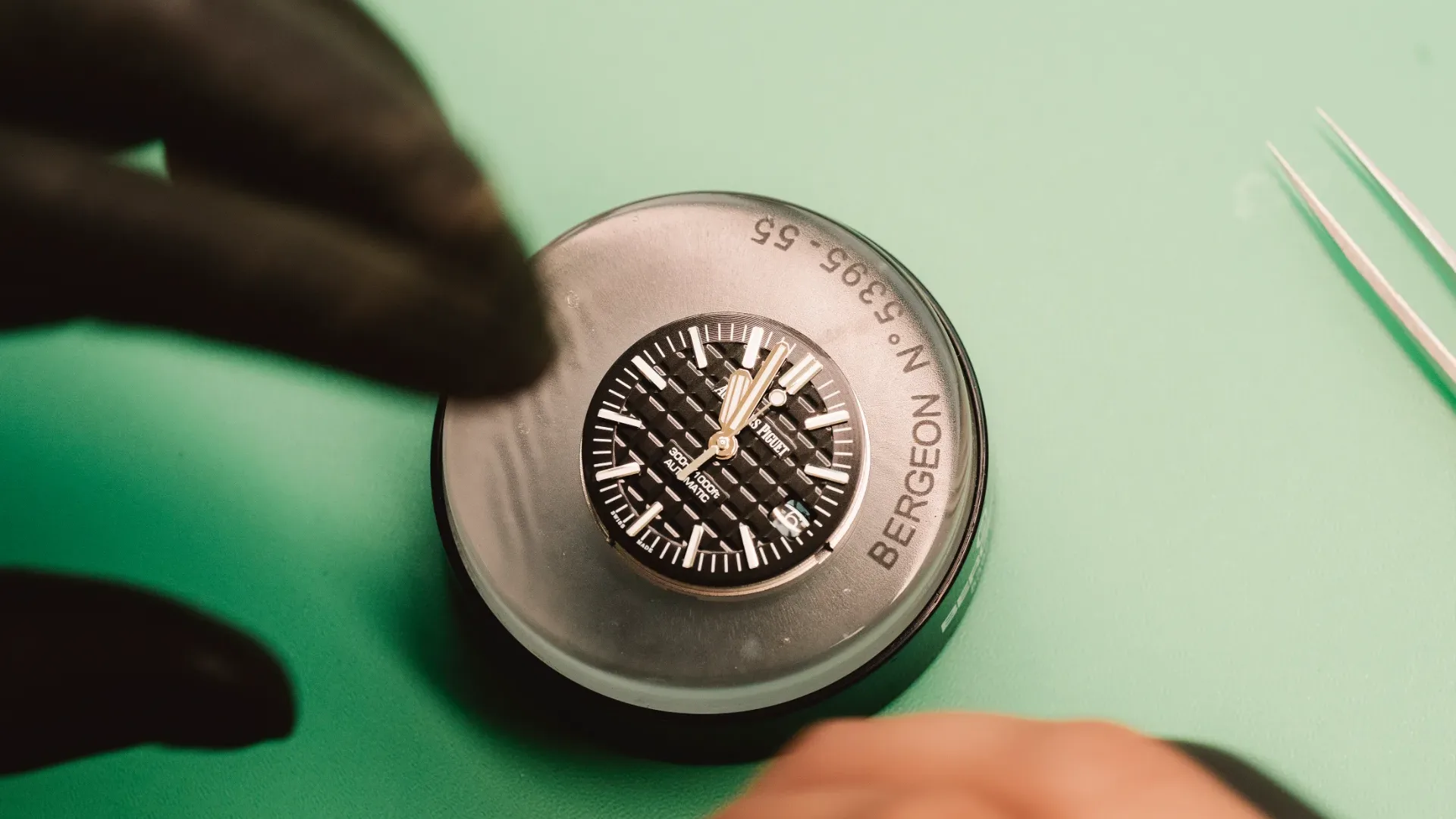
We look at the case condition, including scratches, dents, and the sharpness of its edges, which also tells us whether previous polishing has occurred. We check the crystal for chips or cracks, and the crown and gaskets, the small rubber or synthetic seals that keep water out and which harden with age. We take timekeeping and amplitude readings. Amplitude is the swing angle of the balance wheel, the oscillating component that regulates the watch; a low reading can point to dried lubricants or worn components. We also look for signs of moisture or wear, such as fogging, dial spotting, or play in the crown.
How these findings are presented matters as much as the findings themselves. We aim to explain three things for each: what we observed, what it likely means, and whether addressing it is necessary or optional. A hardened gasket on a watch that is regularly worn near water is necessary. A light surface scratch on the case is a matter of taste.
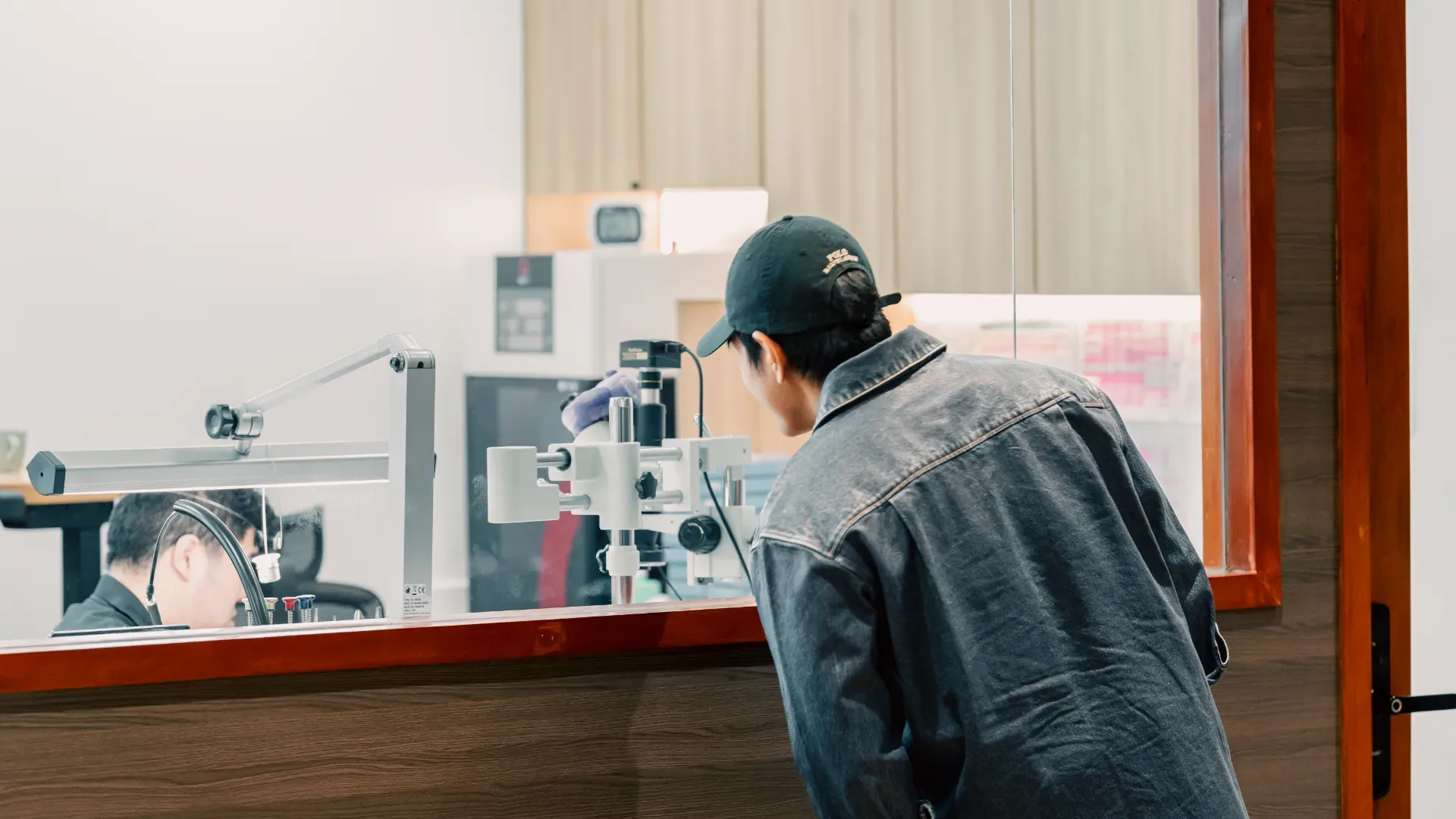
Where it helps, we show rather than tell. A viewing glass lets the client see what the watchmaker sees, such as the condition of a gasket or a hairline crack, instead of relying on description alone.
We are also honest about limits. Some things cannot be known until the movement is opened: the true condition of internal pivots, the extent of wear on the gear train, or whether a particular part needs replacement. We say so plainly at the outset and explain how any findings will be communicated, so that a later discovery is never a surprise.
Why Disclosure Comes Before Disassembly
There are three reasons to put disclosure first.
Informed consent. Once a movement is opened, the owner is in a different position. The work has started, and the practical choices narrow. Disclosure beforehand allows the owner to make decisions while all options are still available.
No surprises. If the likely scope, the possible additions, and the unknowns are explained up front, nothing that follows should be unexpected.
Control over scope. The owner can decide what is done, including whether to polish the case. Polishing removes a small amount of metal, so it softens edges and can change a watch's lines. Some collectors prefer it; others prefer to keep original finishing. Both are legitimate, but only with full information.
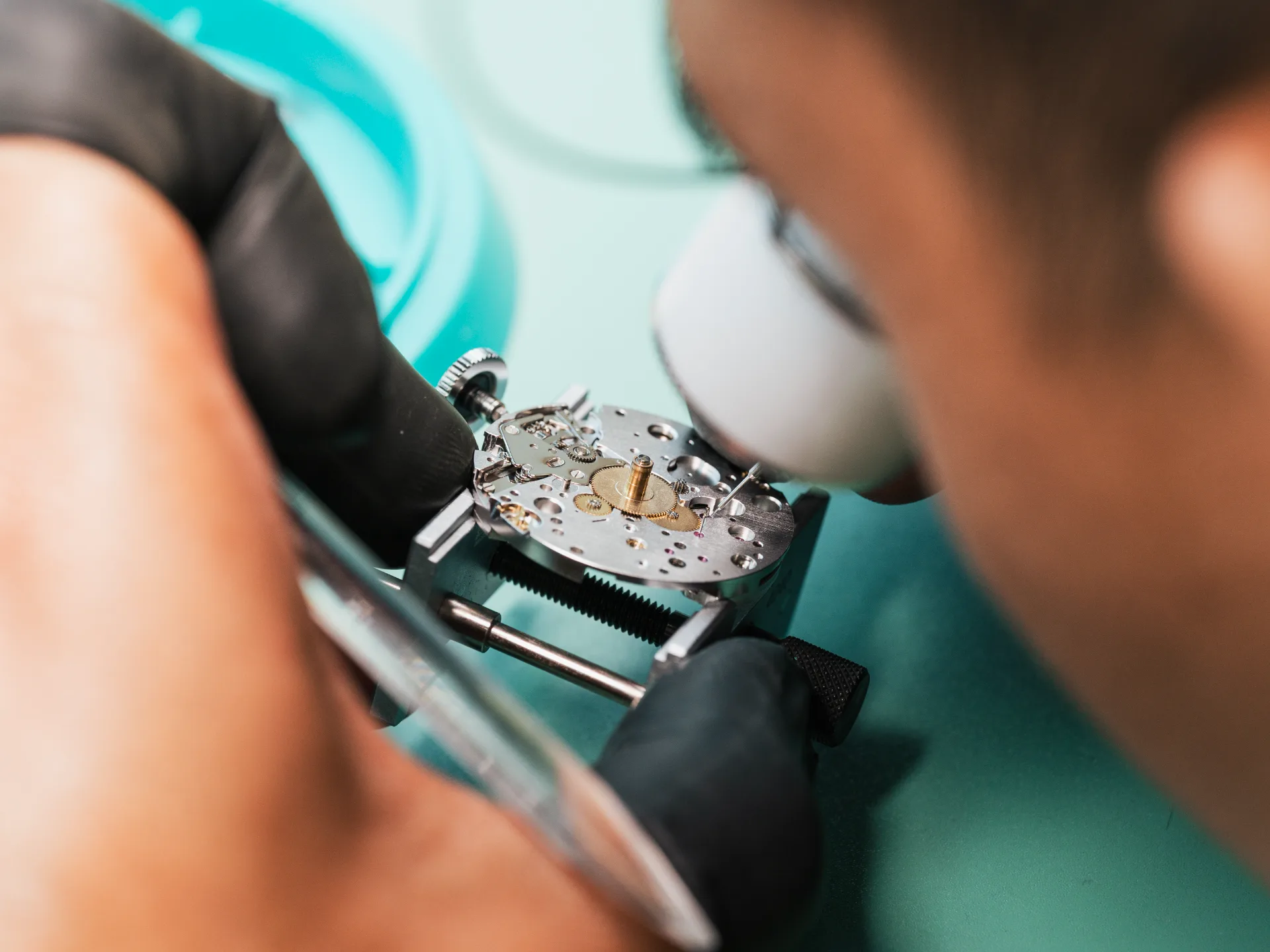
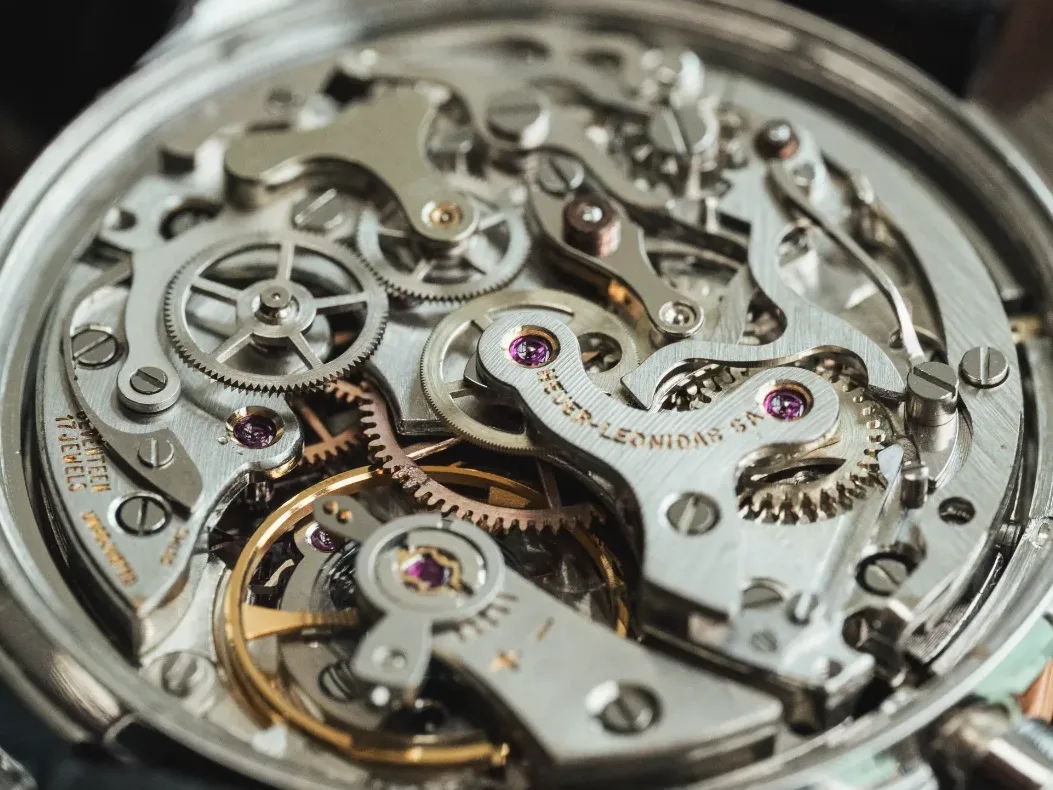
Stating the scope of a Complete Overhaul up front also sets a clear standard for the work. In plain terms, a complete overhaul involves disassembling the movement entirely, cleaning every component, replacing worn parts, relubricating with appropriate oils and greases, regulating the watch to keep accurate time, and pressure testing the case to confirm water resistance.
Two of those stages are worth explaining in advance. Cleaning on a Greiner cleaning line, a professional machine that moves components through successive cleaning and rinsing baths, removes old lubricant and debris far more thoroughly than hand cleaning. Pressure testing verifies that the seals do their job after reassembly. Clients should expect to hear about both, because they are the stages that determine whether the work holds up over time.
Finally, an assessment that sometimes advises doing less is part of what makes the advice credible. If a watchmaker says "this does not need polishing" or "this can wait another year," then when they say "this needs attention now," the owner has reason to believe them.
How Honest Assessments Become Long-Term Relationships
One honest assessment builds some confidence. Repeated ones build something more durable.
Over successive visits, the relationship compounds. Records of previous work mean the watchmaker knows what was done, when, and why. Familiarity with a collection means they notice change: a piece that used to run steadily and now does not. Advice evolves as the watches do, with the first service establishing a baseline and later visits comparing against it.
This matters especially in the year-end legacy and gifting season. Many collectors are considering pieces to pass on or give, and a documented service history gives the recipient something valuable: knowledge of the watch's condition, what has been replaced, and what care it has had. A watch handed down with its record carries its story forward more completely.
This is also what we mean by being an independent service center. Independence, to us, means official-grade work, an honest assessment, and full transparency, delivered by people who know you and your collection. It is not a different standard; it is a closer relationship to it.
What to Expect When You Bring Your Watch to Watch Solutions
The process is calm and unhurried:
- An inspection and diagnosis explained in plain terms.
- A first conversation, about the watch, its history, and your goals.
- An approved scope, agreed by you before any work starts.
- The overhaul, with the stages explained as they happen.
Whoever you choose, these questions are worth asking before authorizing work:
- What exactly is included in this service?
- What could change the quote, and how will I be told?
- Will you tell me which parts are replaced, and keep the originals?
- Is polishing included, optional, or avoidable?
- What can you not know until the movement is opened?
- What testing will be done before the watch is returned?
- What records will I receive?
The repair matters, but it is not the whole of the work. What our work is built on is the relationship around it.