
A Watch Is Never Only a Mechanism
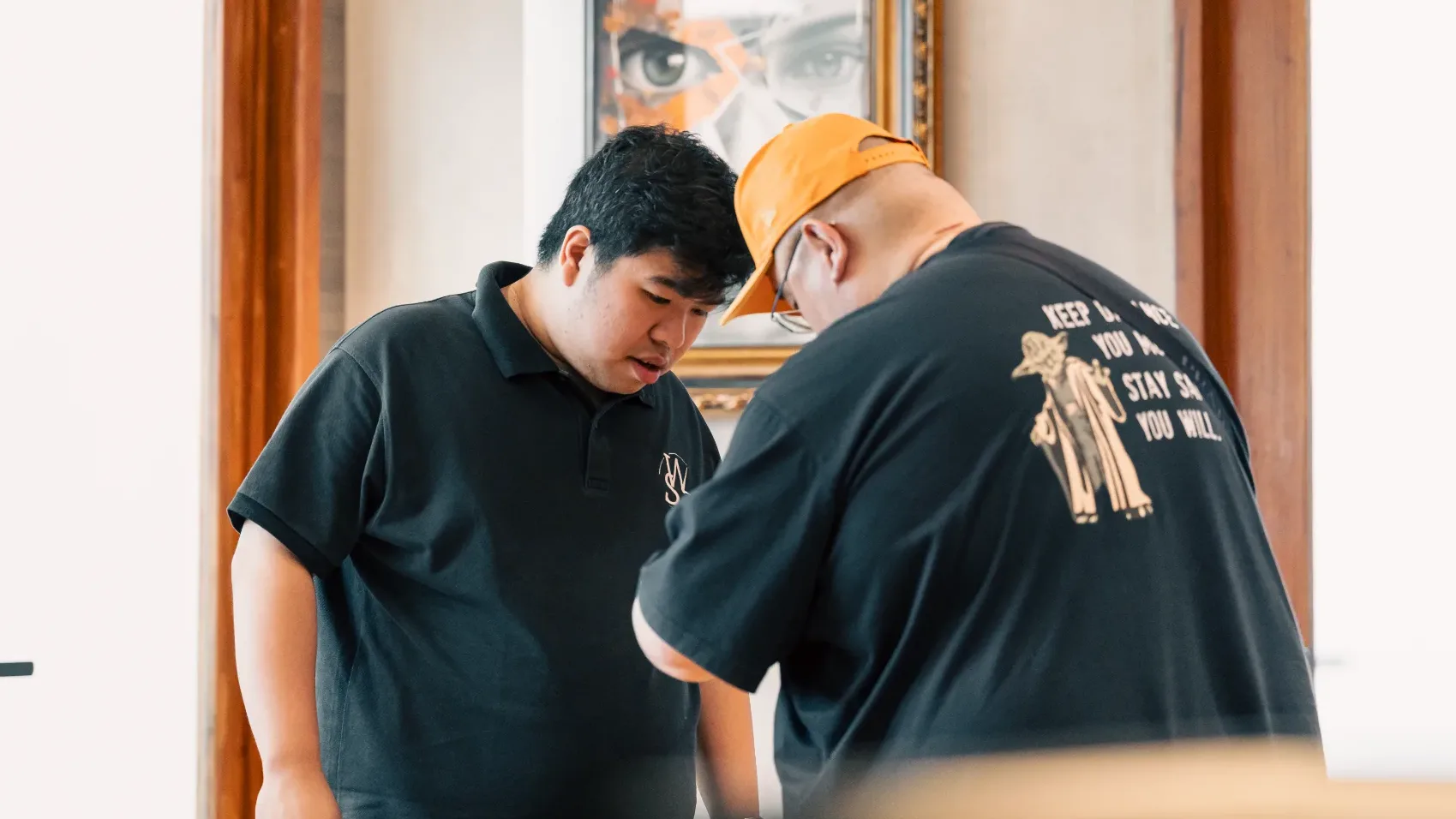
A collector sets a watch on the bench. Before we ask about the crown that feels gritty or the minutes it loses each week, they tell us something else: it was their father's, and he wore it every day to the office for thirty years.
That moment is more common than most people outside the trade would expect. The fault is rarely the first thing a client mentions. The memory is.
At Watch Solutions, we take that order of things seriously. Servicing a watch is not only about making it move. It is about making the time keep going, along with the stories the watch carries and the moments it upholds.
Why Some Watches Matter More Than Their Specifications
Sentimental watches tend to arrive by two paths.
The first is inheritance. A grandfather's dress watch, a mother's small gold bracelet watch, a piece passed down through generations. These watches connect people to someone who is no longer in the room.
The second is the milestone. A watch bought or given for a graduation, a first major professional achievement, a wedding, or the birth of a child. The watch becomes a marker of the day it represents.
Why does a watch hold this kind of weight? Largely because it is worn on the body, every day, in view of its owner. Few objects accumulate association that way. A painting hangs on a wall; a watch travels with you through meetings, celebrations and ordinary Tuesdays. Over years, it becomes part of how you remember your own life.
This is also why market value and personal value often diverge. A reference that is modest at auction may be irreplaceable to its owner, while a highly valued piece may mean little to the person who inherited it. Neither view is wrong. The owner decides which matters, and a good watchmaker works with that decision rather than against it.
What a Complete Overhaul Actually Involves
A complete overhaul (sometimes called a full service) is a comprehensive restoration of a watch's mechanical condition. Here are the stages in plain language, and why each exists.
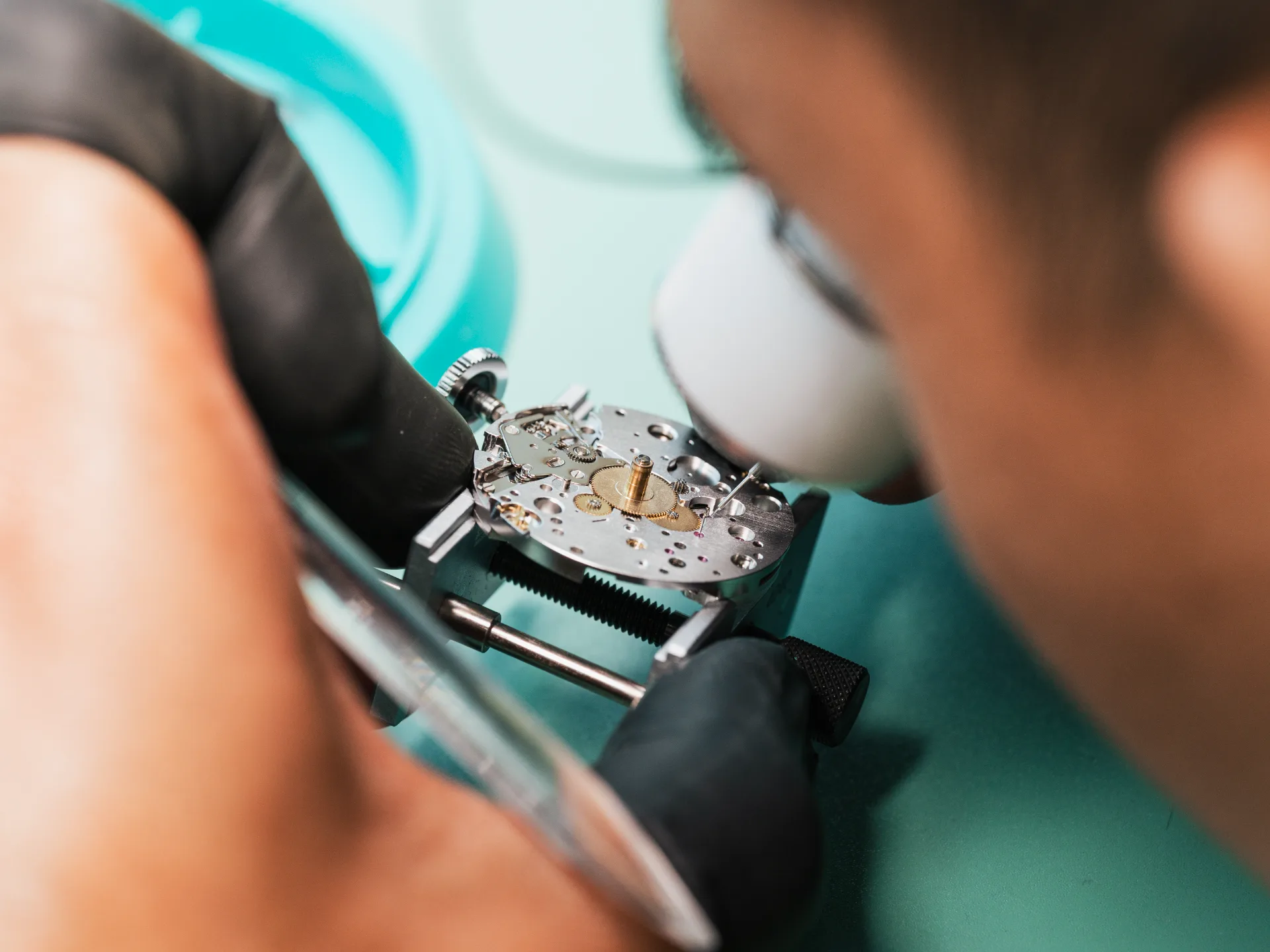
Disassembly. The movement is taken apart entirely, down to individual components. Without this, parts cannot be properly examined or cleaned.
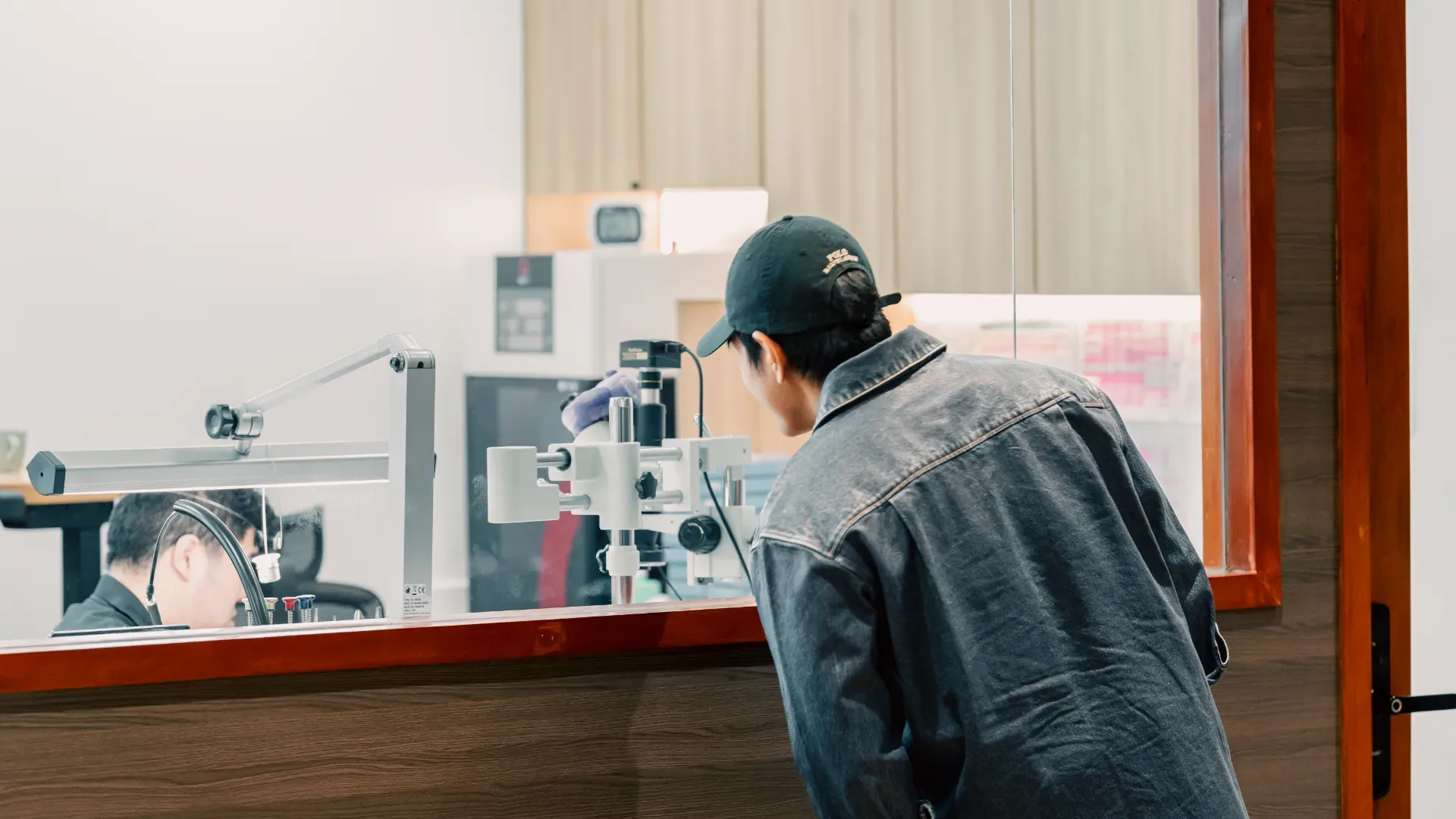
Inspection under magnification. Each part is examined closely, often under a microscope. Wear in pivots, gear teeth and jewels is typically invisible to the naked eye, yet it affects accuracy and reliability.
Cleaning. Components are cleaned to remove old oil, dust and residue. Over time, lubricants thicken, oxidize and migrate, and they can turn into an abrasive paste that accelerates wear. Cleaning removes that before it does further harm.
Replacement of worn parts. Components that have worn beyond acceptable tolerance are replaced or restored.
Reassembly and lubrication. The movement is rebuilt and fresh lubricants are applied in precise, tiny quantities. Different points need different oils and greases, and too much is as problematic as too little.
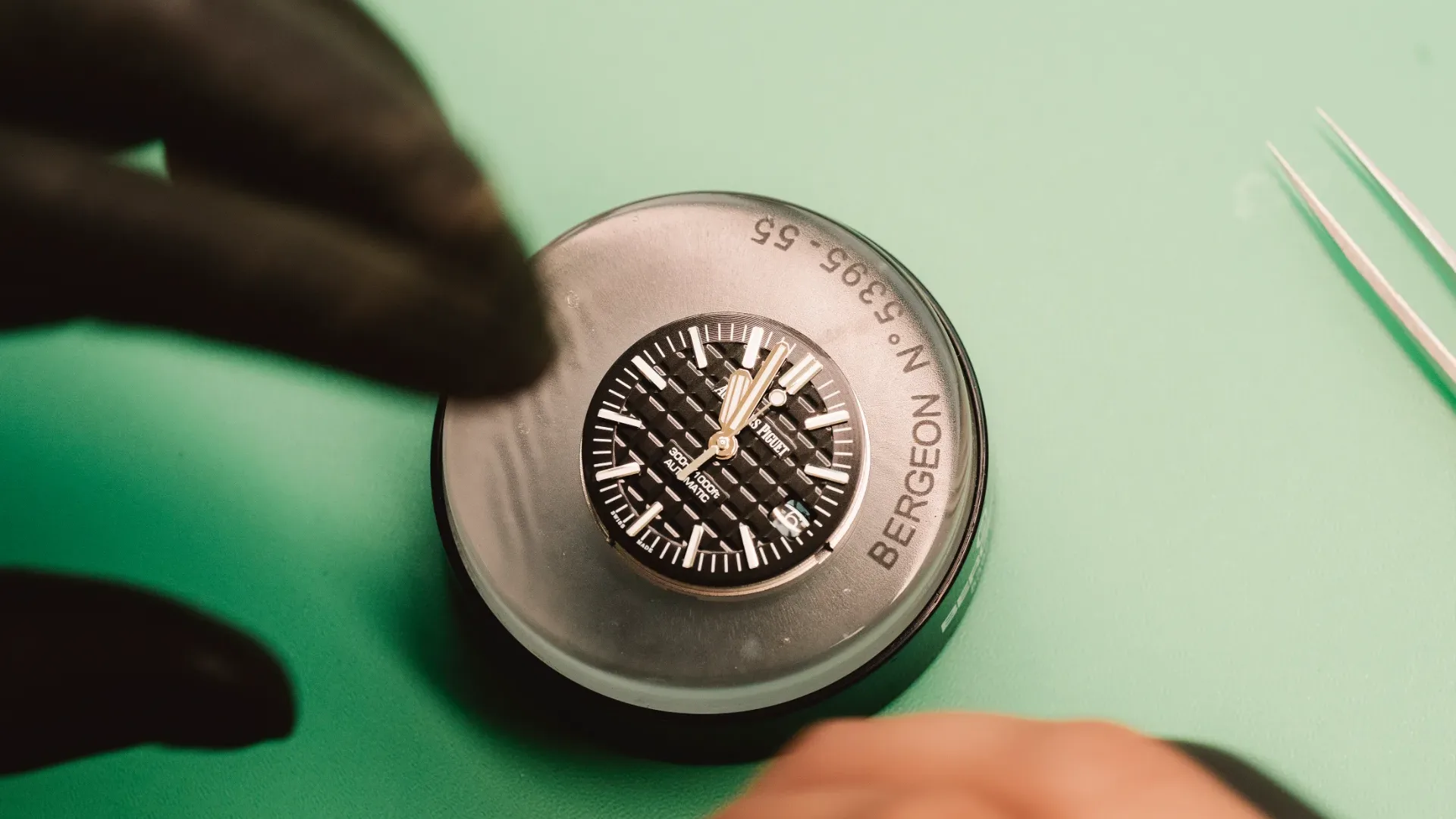
Regulation. The watch's timekeeping is adjusted and checked in different positions, since a watch can run differently lying flat than it does on a wrist.
Case and seal work. The case is cleaned and refinished as appropriate, and gaskets (the seals that keep out moisture and dust) are replaced, because rubber and synthetic seals harden with age.
Pressure testing. The finished watch is tested to confirm its seals perform as intended.
We believe this work should be seen, not just described. That is why we show it on camera: the viewing glass, microscope-to-screen inspection, the Greiner cleaning line, and pressure testing.
Why Sentimental Watches Often Call for the Full Overhaul
If a watch is meant to last another generation, it is arguably better served by addressing wear comprehensively than by a partial fix.
Consider the difference in goals. A quick repair answers an immediate symptom: the watch stopped, so make it run. A complete overhaul asks a longer question: what does this movement need so that it keeps running reliably for years to come? One is shaped by urgency. The other is shaped by longevity.
A partial fix can also leave related wear in place. Fresh oil in a movement with worn components, for instance, may not give the lasting result an owner hopes for.
Collectors also raise a fair concern: what happens to the original character of the watch? Patina on a dial, softened edges on a case, original components. These details are often exactly what makes a piece meaningful, and they deserve careful handling and a clear conversation before any work begins.
Honest Assessment: Where Trust Begins
Trust starts with the assessment conversation. After examining the watch, we explain what we found, what we recommend, what can wait, and what the client may decline. The decision remains the owner's.
Transparency should be practical, not just a promise. In practice, that can mean documenting findings, showing worn parts or microscope images, and explaining the available options and their trade-offs. When a client can see what we see, the recommendation stops being a matter of faith.
This is where Watch Solutions positions itself as an independent alternative to brand service centres: official-grade work, honest assessment and full transparency, delivered by an independent workshop that explains its reasoning.
Trust is not created in one visit. It is built over repeat visits, through assessments that consistently put the watch and the client first. A collector who has been told "this one doesn't need work yet" and later sees that advice proven sound is a collector who understands what our recommendations are worth.
The Relationship in Between: Years, Not Transactions
Skill and discipline are essential. No relationship can compensate for poor workmanship. But among long-standing clients, we see that what brings them back is the relationship formed between visits.
Many collectors return with successive watches: first one piece, then another, then a watch inherited from a relative. Over time, we come to know the collection. We learn which watches are worn weekly and which stay in the safe, which carry family history and which were purchased for enjoyment. That familiarity informs better advice, such as how often a particular piece should be seen, or whether a watch is worth the full treatment.
Continuity matters most for sentimental pieces. A watchmaker who knows a watch's history can service it with that context in mind: handling a worn crown more carefully, discussing a replaced dial honestly, understanding why a scratch on the caseback should stay.
This is why we say, with appropriate caution, that Watch Solutions' credibility is arguably rooted in sustained trust rather than any single job. A single excellent overhaul demonstrates skill. Years of honest dealings demonstrate character.
Preparing a Treasured Watch for Service: A Practical Guide
A little preparation helps the watchmaker and the owner alike.
Share the history. Tell us how the watch has been worn, any behaviour you have noticed (losing time, stopping when unworn, a stiff crown), and when it last ran well.
Bring what you have. Previous service records, the box, papers, receipts and any correspondence help establish the watch's history.
Record the story. Write down who owned the watch, when and why it mattered. Keep this with the technical history. We preserve the story, not just the timepiece, and a written record helps ensure it travels with the watch.
Consider the occasion. During the year-end legacy and gifting season, many families think about handing a watch on. Servicing before that moment is a considered act: it means the recipient receives a watch ready to run, not a project. It is a matter of care rather than timing or urgency.
Know the general interval. Mechanical watches are commonly advised to be serviced every several years, though the right interval varies by movement, usage and conditions.
Keeping the Time, and the Stories, Going
Return to the bench, and the collector who began with a memory rather than a fault. What they are asking us to protect is larger than a mechanism. Servicing makes the time keep going, along with the stories the watch carries and the moments it upholds.
A complete overhaul, done well, is an act of stewardship: a commitment to hand a watch forward in better condition than it arrived. Collectors are comfortable entrusting us with such pieces because of trust earned over years, through candid assessments and consistent care.
We do not think that trust can be rushed or announced. It can only be demonstrated, one watch and one conversation at a time.
If there is a watch in your family or collection whose story matters as much as its movement, we invite you to bring it in for an honest, no-obligation assessment, so you can see how we work and decide with full information whether a complete overhaul is right for it.